:format(jpg)/f.elconfidencial.com%2Foriginal%2Fb13%2F0f1%2F3fe%2Fb130f13fe4a6ddefd3060ab8e16c3dee.jpg)
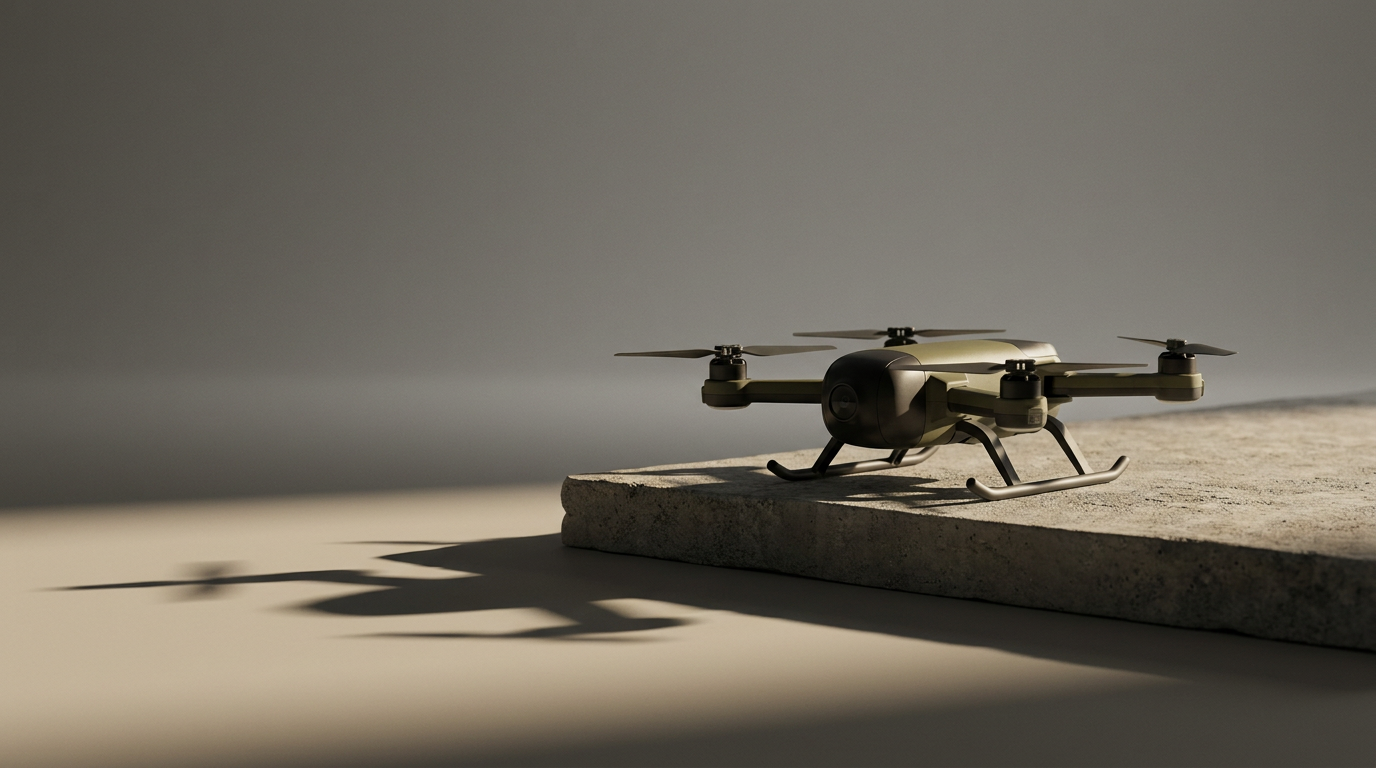
The evolution of unmanned aerial vehicles is entering a new phase — one defined not by the sophistication of the warhead, but by the elimination of the warhead altogether. A new class of high-speed drone, described as a "flying sword," replaces explosives with integrated blades and relies on raw kinetic energy to neutralize targets. Capable of reaching speeds of 450 km/h, these systems represent a departure from the loitering munitions that have dominated recent conflicts, substituting chemical energy for the physics of mass and velocity.
The concept is mechanically straightforward. Rather than detonating on impact, the drone is engineered to survive the strike. Its structural frame and blade geometry are designed so that, in some configurations, the platform can continue flying after contact — making it, in effect, a reusable projectile. The absence of an explosive payload reduces manufacturing complexity, lowers unit cost, and eliminates the logistical burden of handling ordnance.
From payload delivery to kinetic lethality
The shift from explosive-laden drones to kinetic-impact systems follows a logic that has been quietly developing across multiple theaters of conflict. The wars in Ukraine and in the broader Middle East have demonstrated both the power and the limitations of small unmanned systems carrying warheads. First-person-view (FPV) drones rigged with grenades or shaped charges have proven devastatingly effective against armored vehicles and infantry positions. But they are single-use by design, and their reliance on explosive components introduces supply chain vulnerabilities — particularly for non-state actors or smaller militaries operating under sanctions or embargo conditions.
A bladed drone sidesteps these constraints. Blades can be fabricated from hardened steel or composite materials using widely available industrial processes. No detonator, no explosive filler, no specialized chemical handling. The lethality comes from velocity and edge geometry, which means the engineering challenge shifts almost entirely to propulsion and guidance. At 450 km/h, even a modest airframe carries substantial kinetic energy upon impact — enough to damage light vehicles, sever communication lines, or incapacitate personnel in the open.
This is not an entirely novel concept in the history of weapons development. The United States military reportedly explored the R9X Hellfire variant — a missile that deployed extending blades instead of an explosive warhead to minimize collateral damage in targeted strikes. The underlying principle is similar: convert speed and precision into lethality without the blast radius. What is new is the application of that principle to a small, low-cost drone platform accessible well beyond the arsenals of advanced militaries.
The detection gap
The defensive implications are considerable. Contemporary air defense architectures are largely optimized for two threat profiles: large, fast missiles with detectable thermal and radar signatures, and slower, smaller surveillance drones that can be tracked visually or through electronic emissions. A bladed drone operating at 450 km/h occupies an uncomfortable middle ground. It is too small to trigger many radar systems designed for cruise missiles, yet too fast for the counter-UAS solutions — jammers, nets, shotgun-style interceptors — developed to handle commercial quadcopters repurposed for warfare.
The absence of an explosive payload further complicates detection. There is no chemical signature to sniff, no warhead casing to reflect radar energy in a predictable pattern. The drone's profile is, in essence, that of a fast-moving piece of sharpened airframe — aerodynamically clean and thermally modest.
For state militaries, this creates an engineering problem that existing procurement cycles are not well positioned to solve quickly. For non-state actors and criminal organizations, the calculus is different: the relative simplicity of assembly and the availability of high-speed motor and battery technology from the commercial drone sector lower the barrier to acquisition substantially.
The tension, then, is between the democratization of a lethal capability and the lag in defensive countermeasures. Kinetic-blade drones do not require the supply chains that constrain explosive-armed systems, and they exploit a detection gap that current air defense doctrine has yet to close. Whether that gap narrows before proliferation accelerates remains the operative question — and the answer depends as much on regulatory action and export controls as on sensor technology.
With reporting from El Confidencial.
Source · El Confidencial — Tech