Each February, Los Angeles undergoes a transformation as Frieze Week descends upon the city, turning its sprawling geography into a concentrated laboratory for contemporary art and design. The 2026 edition proved to be no exception, offering a density of work that challenged even the most disciplined observers. What emerges from the noise is a portrait of a design community leaning into material complexity and a refusal to be categorized by simple aesthetics.
The sheer volume of the week's programming — spanning satellite fairs, gallery openings, and private showcases — suggests a creative ecosystem that is expanding rather than consolidating. For those navigating the circuit, the challenge lay not in finding quality, but in managing the saturation.
A City Built for the Fair Circuit
Frieze's Los Angeles edition has, since its debut in 2019, occupied a distinct position in the global fair calendar. Unlike its London and New York counterparts, the LA iteration benefits from a city whose cultural infrastructure is decentralized by design. Galleries, studios, and project spaces are distributed across neighborhoods separated by considerable distance, which means Frieze Week functions less as a single event anchored to a convention hall and more as a distributed festival that activates the city itself. This geographic sprawl, often cited as a logistical burden, has become a curatorial feature: it forces exhibitors to compete for attention through the strength of their presentations rather than proximity to foot traffic.
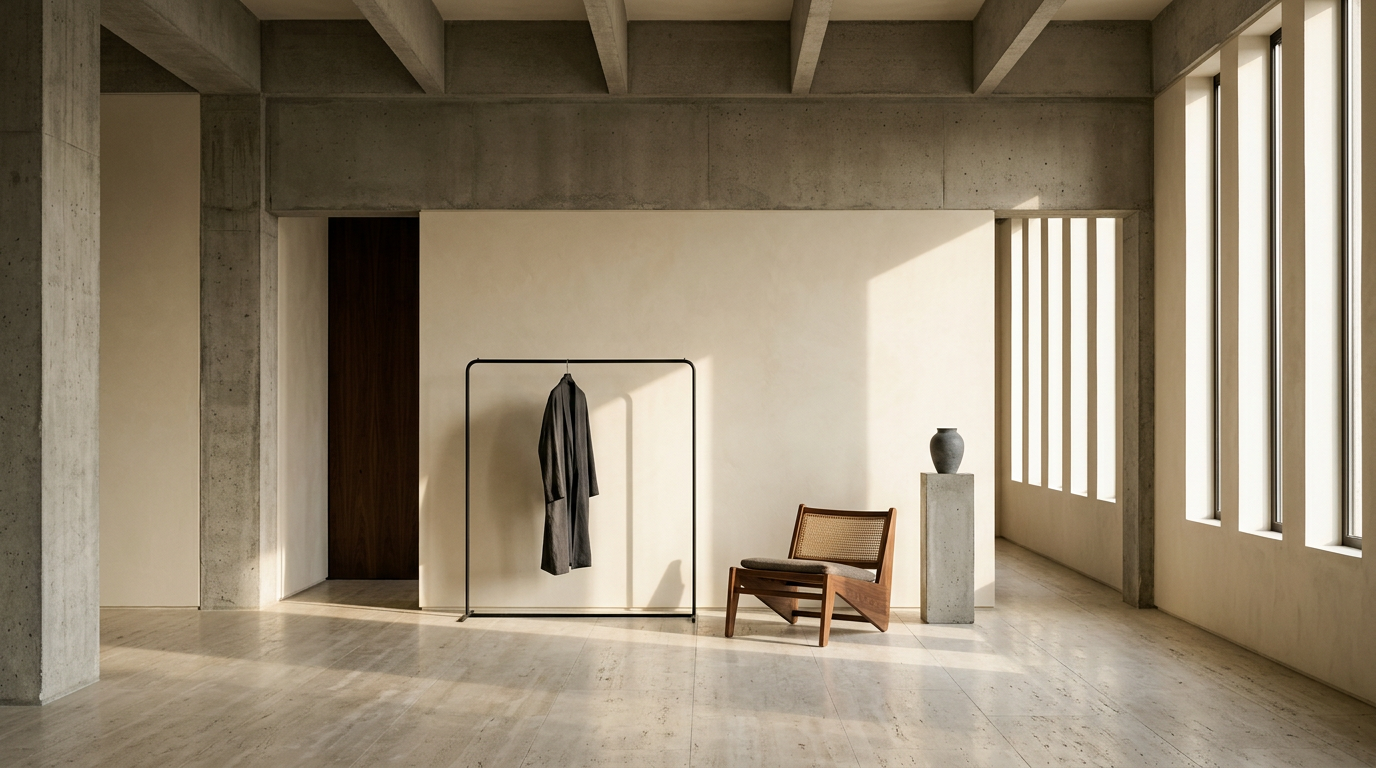
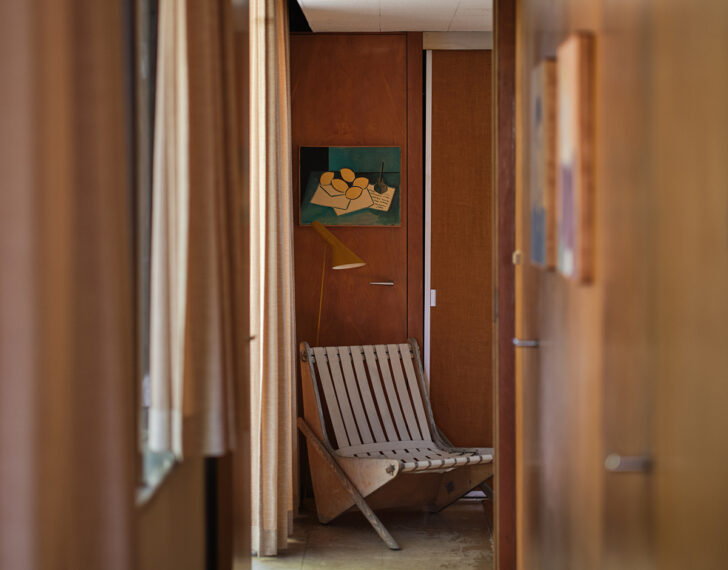
Los Angeles has spent the better part of a decade building its credentials as a design capital to rival New York, Milan, and London. The migration of galleries, designers, and fabricators to the city — drawn by studio space, manufacturing access, and a collector base with appetite for risk — has created fertile ground for the kind of material experimentation that defined this year's offerings. The standout contributions favored a tactile sensibility, where the boundary between functional furniture and sculptural object continues to blur. This reflects a broader shift toward collectible design, a category that prioritizes narrative and craft over pure utility, and that has gained significant commercial traction at fairs worldwide over the past several years.
Materiality as Counter-Signal
The emphasis on physical presence and meticulous handcraft observed across the week's programming carries a subtext worth examining. At a moment when generative AI tools are reshaping creative workflows — from rendering to prototyping to client presentation — the deliberate foregrounding of material process reads as something more than aesthetic preference. It functions as a positioning strategy. Designers and galleries presenting work that is visibly handmade, materially complex, or process-intensive are drawing a line between objects that require physical mastery and outputs that can be approximated digitally.
This tension is not unique to Los Angeles or to Frieze. The collectible design market more broadly has gravitated toward pieces whose value proposition rests on irreproducibility: unusual glazes, labor-intensive joinery, experimental casting techniques. The trend echoes dynamics seen in other luxury sectors, where scarcity and provenance have become the primary markers of value as mass production grows ever more capable. What Frieze LA offers is a particularly concentrated view of this phenomenon, compressed into a single week and amplified by a city that has historically embraced the convergence of art, entertainment, and commerce.
The question that lingers after the week's programming winds down is whether this emphasis on the tangible represents a durable reorientation or a cyclical correction. Design markets have oscillated before between minimalism and maximalism, between industrial efficiency and artisanal craft. The current moment favors the handmade, the heavy, the materially assertive. Whether that preference holds as economic conditions shift, as new fabrication technologies mature, and as the collector base itself evolves remains an open variable. What is clear is that Los Angeles has built the infrastructure — physical, social, commercial — to host that conversation at scale. The city is no longer auditioning for the role of design capital. It is performing it.
With reporting from Sight Unseen.
Source · Sight Unseen