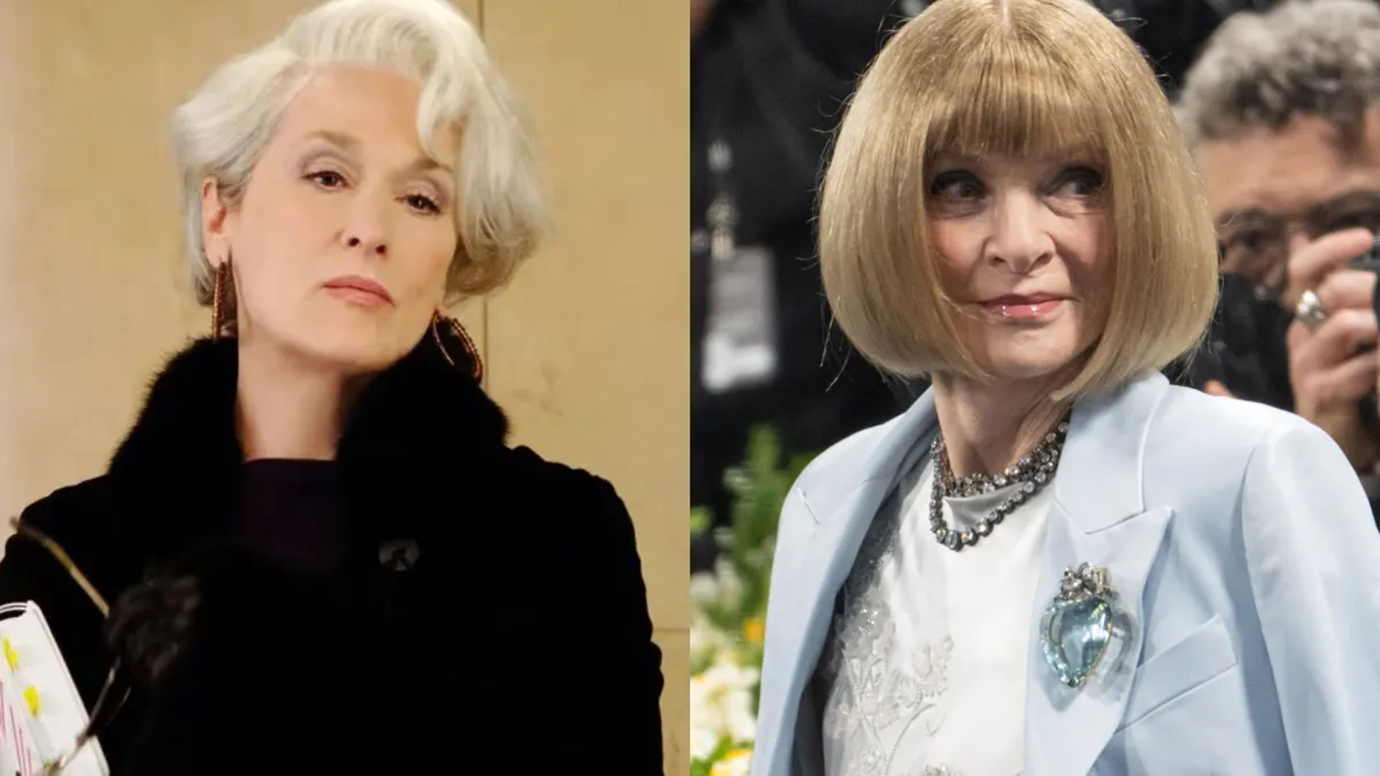
The character of Miranda Priestly, immortalized by Meryl Streep in the 2006 film The Devil Wears Prada, has long served as a cinematic shorthand for the ruthless, exacting nature of the high-fashion establishment. While the film presents a heightened caricature of editorial power, its foundations are rooted in the very real corridors of Condé Nast. Industry insiders and historians of the era have consistently pointed to Anna Wintour, the long-standing editor-in-chief of Vogue, as the primary inspiration for the role.
The connection is more than mere speculation. Lauren Weisberger, the author of the 2003 novel upon which the film was based, served as a personal assistant to Wintour before pivoting to fiction. The "Runway" magazine of the story is a thinly veiled stand-in for Vogue, and the icy, demanding leadership style attributed to Priestly mirrors the legendary, if often mythologized, professional standards Wintour maintained as she consolidated her influence over the global fashion landscape.
The Editor as Institution
Wintour's tenure at Vogue — which began in 1988 and eventually expanded into a broader role overseeing Condé Nast's editorial direction — represents one of the longest and most consequential runs in magazine publishing history. Under her leadership, Vogue became more than a fashion publication; it functioned as a commercial arbiter, capable of elevating or sidelining designers based on the magazine's coverage choices. A September issue cover placement could reshape a brand's trajectory. A cold shoulder from the editor's office could delay a career by years.
This concentration of influence was not unique to Wintour, but she embodied it with particular discipline. Her predecessors at Vogue — Diana Vreeland and Grace Mirabella among them — each wielded significant editorial authority, but Wintour refined the role into something closer to a corporate executive position, bridging the gap between creative tastemaking and business strategy. The Met Gala, which Wintour transformed into the fashion industry's most prominent annual fundraiser, stands as perhaps the clearest example of that dual function: part cultural event, part commercial networking exercise, entirely under her curatorial control.
Weisberger's novel, and the subsequent film adaptation, captured a specific tension within this model — the human cost of working inside a system designed around a single, uncompromising vision. The assistant's perspective, which drives the narrative, resonated widely not because it was unique to fashion, but because it mapped onto a recognizable archetype across industries: the brilliant, demanding leader whose standards produce excellence at the expense of those closest to the operation.
The Gatekeeper in a Decentralized Age
Beyond the gossip, the enduring fascination with Priestly — and by extension, Wintour — reflects a specific era of media history. It was a time when a single editorial voice could dictate the commercial success of a collection and shape the aesthetic direction of the luxury market. Print magazines functioned as the primary discovery channel for fashion, and their editors held disproportionate sway over which designers reached consumers.
The digital age has substantially eroded that gatekeeping function. Social media platforms allow designers to build audiences directly. Influencers and stylists now compete with legacy publications for commercial relevance. Brands increasingly bypass traditional editorial channels in favor of direct-to-consumer storytelling. The infrastructure that made a figure like Wintour so powerful — the scarcity of prestigious editorial real estate, the authority of a curated print product — has been diluted, though not entirely dismantled.
Yet the archetype persists. The sequel film, released two decades after the original, suggests that audiences remain drawn to the mythology of the all-powerful editor, even as the industry itself has shifted beneath that mythology's feet. The question is whether this reflects genuine nostalgia for a more hierarchical creative order, or simply the durability of a well-constructed character. Wintour herself remains in her role, navigating a media landscape that looks nothing like the one she mastered. The gatekeeper endures — but the gates themselves have multiplied, and many now stand open.
With reporting from Exame Inovação.
Source · Exame Inovação