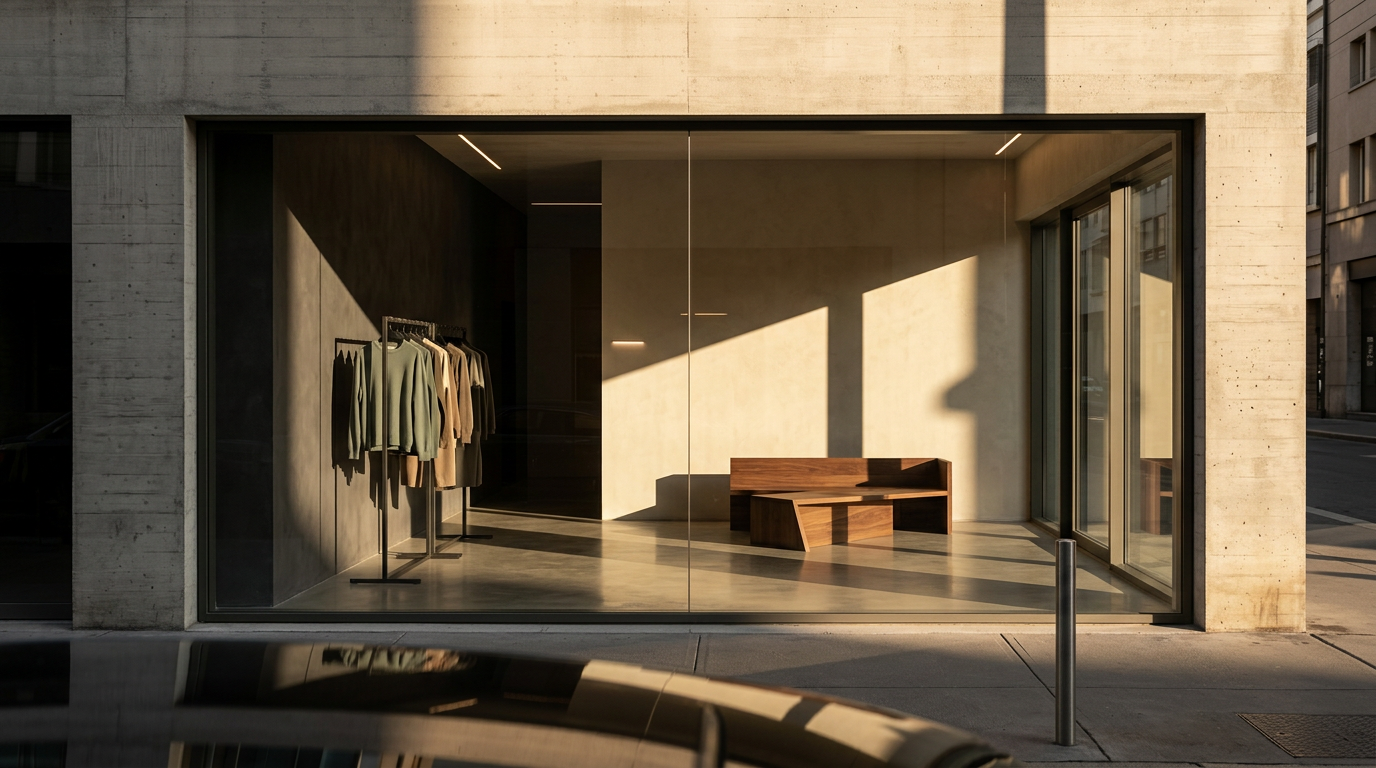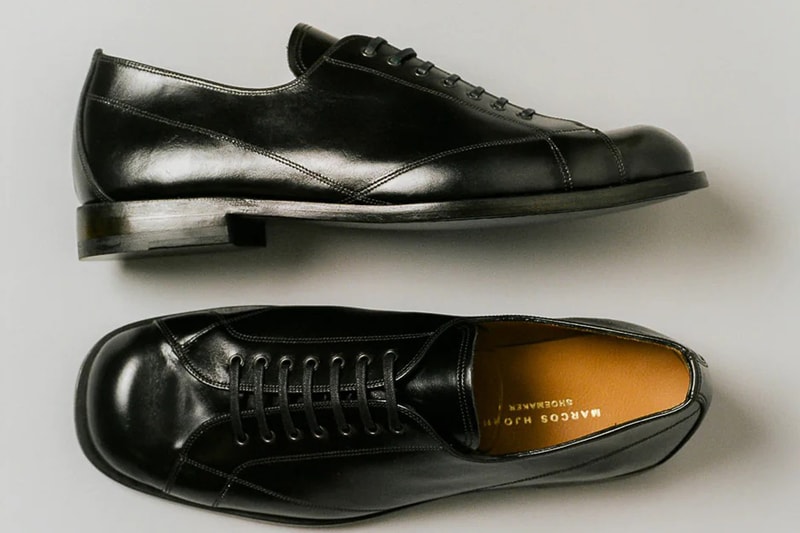
The twenty-first century has been defined by the sneaker's hegemony — a dominance fueled by automated lasting techniques, machine-sewn soles, and supply chains engineered for scale rather than longevity. But as the initial fervor for mass-produced footwear startups begins to cool, stymied by overexpansion and a noticeable degradation in quality, a quieter movement is taking hold. In Barcelona's Gràcia district, the atelier Marcos Hjorn is positioning the dress shoe not as a relic, but as a site of intentional, modern design.
Founded in 2023 by Marcos and Aina, the studio operates out of a space called Casa Bruta. While the broader industry prioritizes the acceleration of trends, Marcos Hjorn has opted for a deliberate retreat into the past. Their process is entirely manual and made-to-order, utilizing techniques that have remained largely unchanged for centuries. This bespoke model serves two purposes: it minimizes the waste inherent in ready-to-wear cycles and allows for a level of refinement that automated assembly lines cannot replicate.
Craft as counterculture
The atelier's approach sits within a broader, if still marginal, recalibration in fashion. Over the past decade, the sneaker market grew into one of the most commercially potent segments of the apparel industry, powered by limited drops, resale platforms, and collaborations that treated footwear as cultural currency. That model rewarded velocity — new silhouettes every season, rapid iteration, global distribution. The trade-off was often material quality and construction integrity, a concession most consumers accepted in exchange for novelty and accessibility.
Marcos Hjorn's rejection of that logic is not unique, but it is unusually deliberate. The made-to-order format eliminates the speculative overproduction that plagues ready-to-wear brands, where unsold inventory becomes a financial and environmental liability. By producing only what has been commissioned, the studio sidesteps the markdown cycles and deadstock problems that have eroded margins across the footwear sector. The model echoes the economics of traditional bespoke shoemaking houses — the kind found historically in London's St. James's or in workshops across Florence and Budapest — but applies them within a contemporary design vocabulary rather than a purely heritage one.
The distinction matters. Bespoke shoemaking has long carried connotations of conservatism: bench-made Oxfords and derbies executed in familiar patterns for a clientele that values continuity over experimentation. Marcos Hjorn appears to operate differently. The founders describe their shoes as "shelters" — objects that provide a sense of belonging through a direct dialogue with materiality. This language borrows more from architecture and industrial design than from the lexicon of luxury goods, and the work reflects that orientation.
Between tradition and tension
The atelier's output includes details that would be unusual in a conventional bespoke context: the loose threads of the Wrinkled Slip-on, elastic eyelet closures, surface textures that foreground the hand rather than concealing it. These choices signal a willingness to experiment within the rigid constraints of traditional cordwaining — the craft of making shoes from new leather, as distinct from cobbling, which concerns repair. The tension between inherited technique and contemporary form is where the studio's identity appears to reside.
That tension is also what makes the model fragile. Bespoke production is inherently difficult to scale. Each pair demands time, skill, and direct communication with the client — resources that do not compress easily. The history of artisanal footwear is littered with workshops that produced exceptional work but struggled to sustain themselves commercially. Whether Marcos Hjorn can maintain its creative ambitions while building a viable business over the long term remains an open question, one that depends as much on the durability of consumer appetite for slow fashion as on the quality of the shoes themselves.
What the studio does clarify is a fault line in contemporary footwear. On one side, an industry still organized around speed, volume, and trend responsiveness. On the other, a small but growing cohort of makers who treat deceleration itself as a design principle. The two models are not necessarily in competition — they serve different markets and different impulses. But the space between them is where the most interesting questions about craft, consumption, and value are being asked. Whether the answers come from a workshop in Gràcia or from somewhere else entirely, the questions are unlikely to go away.
With reporting from Hypebeast.
Source · Hypebeast