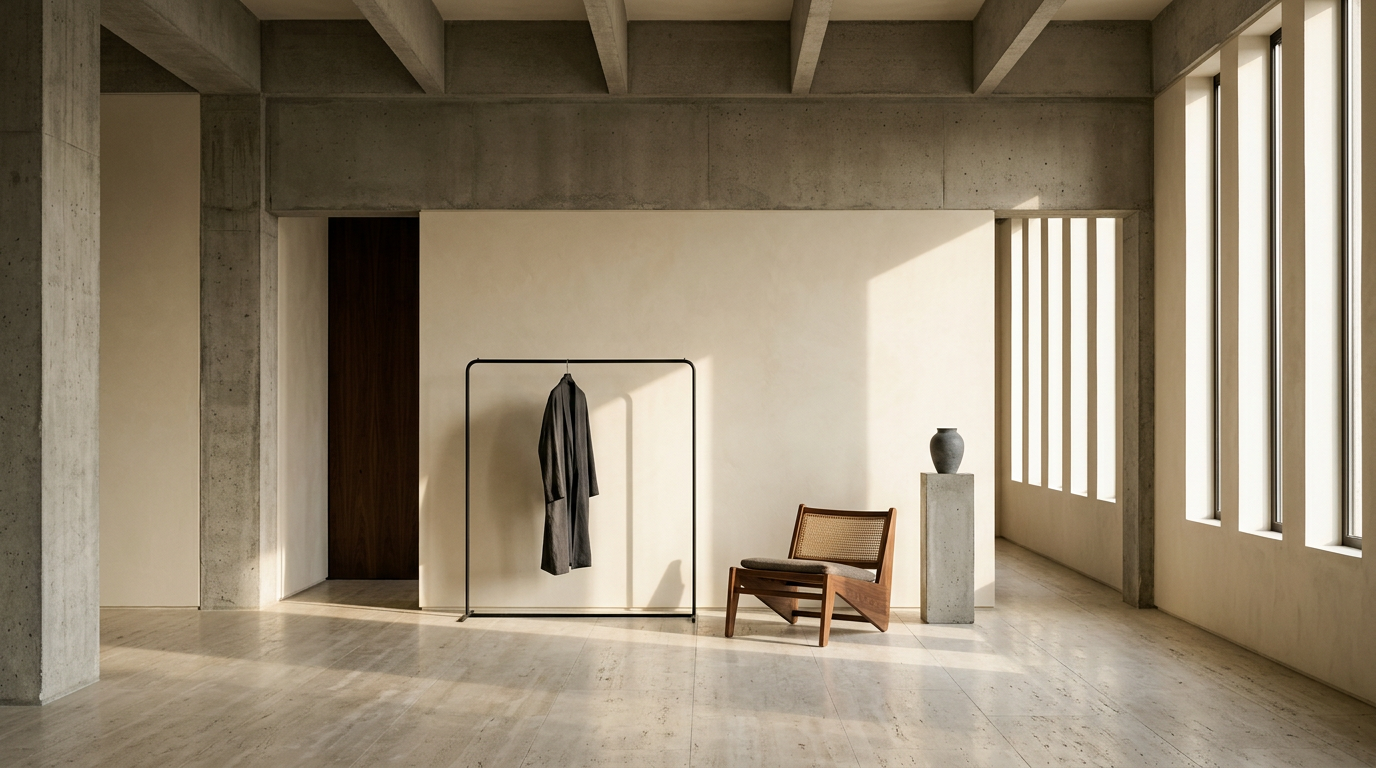
In the crowded landscape of Singapore's cocktail scene, Bartenders of Pony (BOP) arrives less as a new menu and more as a design manifesto. The bar is the first solo venture from Uno Jang, a veteran of the celebrated Jigger & Pony Group, who has traded the scale of a major hospitality collective for a more intimate, precise exploration of Korean social culture. Located in a narrow Chinatown shophouse, the space rejects the literal tropes of "themed" bars in favor of a rigorous architectural translation of cultural values.
Designed by Gabriel Tan of Studio Antimatter, the interior is organized around three core Korean concepts: Kki (craft), Jeong (heart), and Heung (energy). Rather than relying on visual shorthand — the kind of decorative Koreanness that might surface as ceramic pots on shelves or calligraphy on walls — Tan uses spatial intelligence to guide the guest's emotional flow. The narrow floor plan is divided into four distinct zones, each calibrated to support different social behaviors, from the high-energy performance of the bar counter to quieter, timber-clad alcoves designed for lingering conversation.
Architecture as Social Grammar
The decision to structure a bar around behavioral zones rather than aesthetic themes reflects a broader shift in hospitality design thinking. For much of the past decade, the dominant model for high-end cocktail bars in Asia-Pacific cities has been atmosphere-first: moody lighting, a signature material palette, and a strong visual identity that photographs well. BOP inverts that priority. The architecture is not organized around how the space looks but around how people are expected to move, sit, and interact within it.
This approach has roots in traditional Korean spatial design. The Korean concept of madang — the courtyard that mediates between public and private life in vernacular architecture — operates on a similar principle: space is shaped by the social rituals it must accommodate, not the other way around. Tan's four-zone plan echoes that logic. Each zone implies a different posture, a different volume of conversation, a different relationship between guest and bartender. The counter is theater. The alcoves are refuge. The transitions between them are deliberate.
Singapore's Chinatown shophouse typology lends itself to this kind of sequential spatial narrative. The shophouse form — long, narrow, and deep — has always demanded that designers think in terms of procession rather than panorama. Tan appears to have embraced that constraint rather than fought it, using the building's proportions to reinforce the emotional arc from arrival to departure.
Restraint as Design Position
The aesthetic palette is a study in restrained heritage. Tan draws from the obangsaek color system — the five-color framework rooted in Korean cosmology — and traditional dancheong palettes, utilizing earthy terracotta, deep reds, and soft beiges to create a sense of warmth and permanence. Custom joinery and bespoke lighting are paired with careful acoustic treatments, ensuring the environment feels lived-in rather than staged.
This restraint carries a quiet argument. In a city where new bar openings routinely compete on spectacle — hidden entrances, theatrical garnishes, Instagram-ready interiors — BOP stakes its position on legibility and coherence. The Korean cultural references are structural, not ornamental. A guest unfamiliar with obangsaek or jeong would still experience their effects through color temperature, material texture, and the rhythm of the floor plan. The design does not require cultural literacy to function; it rewards it.
There is also the question of what this project signals for the relationship between bartender and architect. Jang's transition from a large hospitality group to a solo venture built around spatial and cultural specificity suggests a model where the designer is not a service provider decorating a client's concept but a co-author of the experience itself. Whether that model scales — or whether it depends on the rare alignment of a designer and operator who share a cultural vocabulary — remains an open question.
BOP sits at the intersection of several forces now shaping hospitality design across Asia's major cities: the move from themed environments to behaviorally calibrated ones, the tension between cultural specificity and universal legibility, and the evolving role of the architect in defining what a bar actually is. How those forces resolve will depend less on any single project and more on whether the industry treats spaces like BOP as anomalies or as templates.
With reporting from The Cool Hunter.
Source · The Cool Hunter