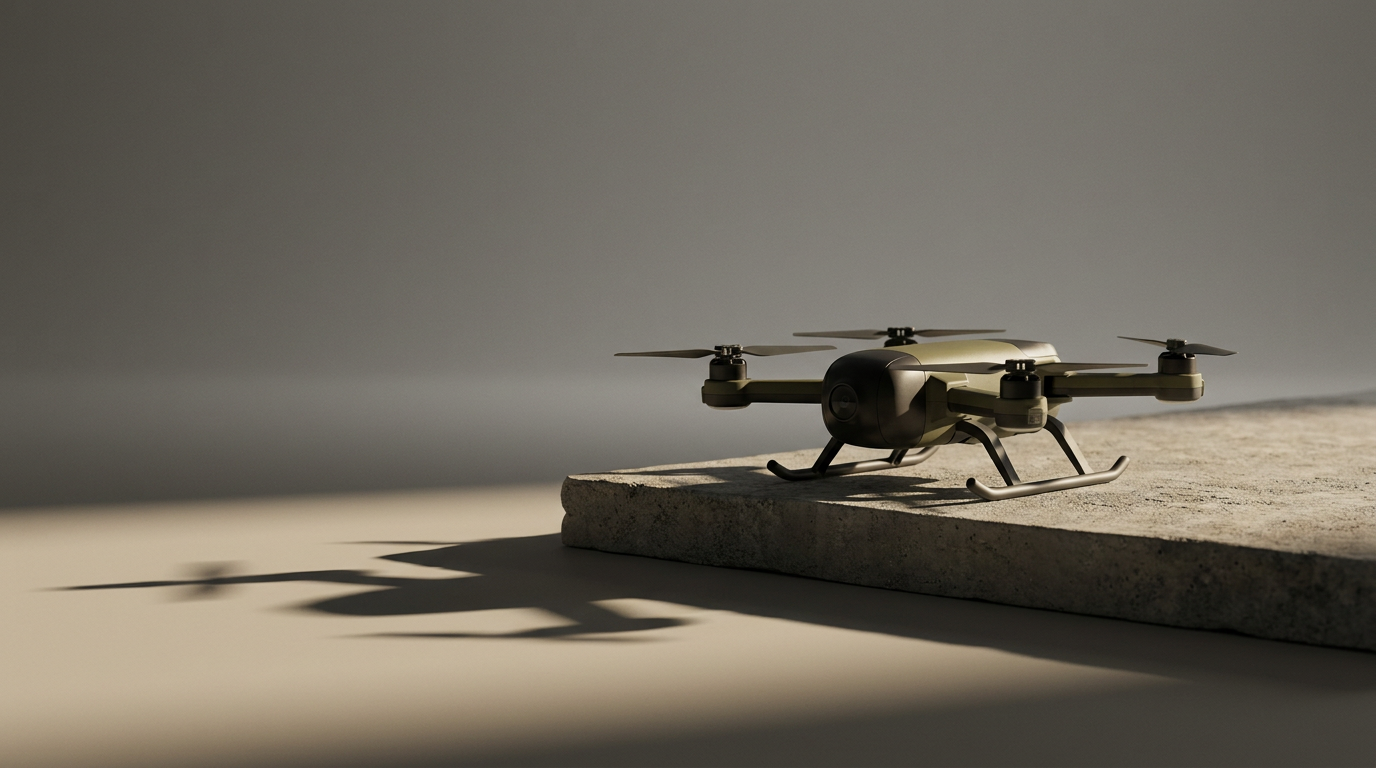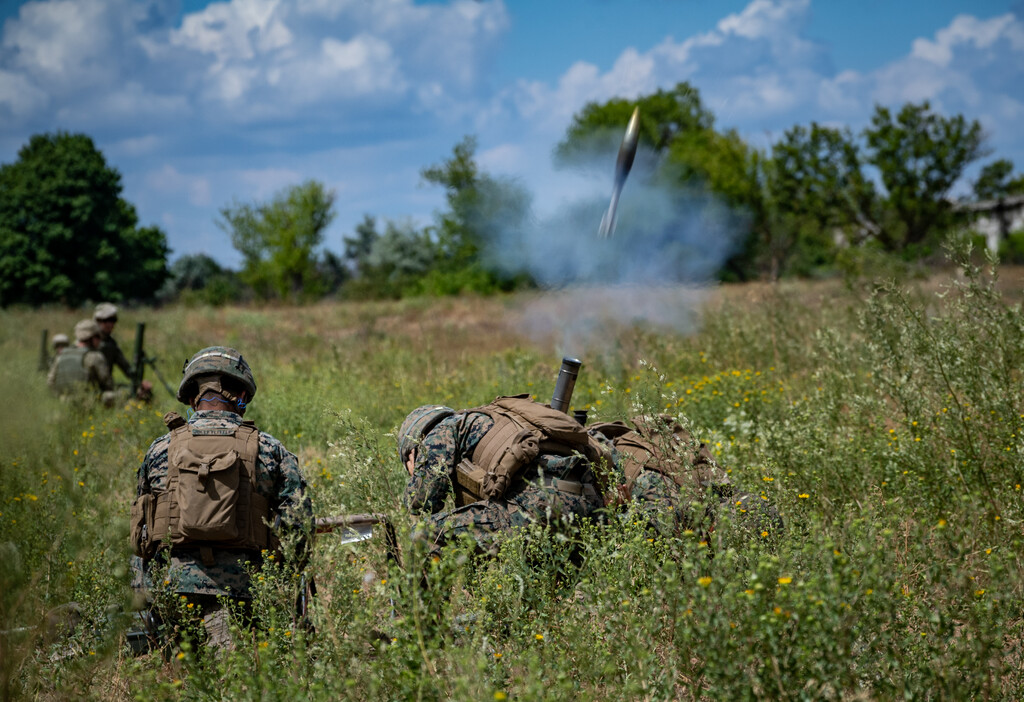
The image of modern warfare is shifting from the heavy industrialism of the 20th century toward something more nimble and improvisational. In makeshift workshops across Ukraine, volunteers and military units have spent years assembling combat drones from off-the-shelf components and open-source manuals, launching operational systems in a matter of days. What began as a desperate necessity has become a global reference case in asymmetric conflict — one that Iran is studying with forensic intensity.
According to an analysis of over 300 internal reports from Iranian military centers, first detailed by the Financial Times, Tehran has effectively turned the Ukrainian theater into its primary tactical textbook. The documents suggest a deep institutional effort to understand how a technologically outmatched force can leverage industrial speed and tactical adaptation to frustrate a superior adversary. This is not passive observation; it is an active integration of battlefield lessons into Iran's own military planning and procurement cycles.
From Observation to Doctrine
The core lesson Tehran appears to be extracting from Ukraine is not about any single weapon system. It is about the production logic behind the weapons. Ukraine's drone programs have demonstrated that a decentralized network of small workshops, staffed by engineers and hobbyists working with commercial-grade electronics, can generate combat-relevant capability at a fraction of the cost and timeline of traditional defense procurement. First-person-view (FPV) drones — small, fast quadcopters fitted with explosive payloads and guided by a pilot wearing video goggles — have become one of the conflict's signature tools, disabling armored vehicles that cost orders of magnitude more to build.
Iran already possessed a well-established drone industry before the war in Ukraine began. Its Shahed family of one-way attack drones had been deployed or transferred to proxy forces across the Middle East for years, and variants of those platforms have appeared on the Ukrainian battlefield itself, used by Russian forces. What the 300-report cache suggests is something different from mere hardware development: a doctrinal shift. Iranian military planners appear to be internalizing the organizational model — the speed of iteration, the tolerance for disposable systems, the reliance on civilian supply chains — rather than simply copying a specific airframe.
This distinction matters. Traditional military modernization programs tend to focus on acquiring or reverse-engineering advanced platforms. The Ukrainian model inverts that logic. It treats the production process itself as the strategic asset: the ability to design, test, and field a new drone variant in weeks rather than years. If Iran succeeds in embedding that philosophy across its defense apparatus, the implications extend well beyond any single theater of operations.
A Wider Audience in the Classroom
Iran is far from the only state paying attention. The war in Ukraine has functioned as an open-air laboratory visible to every military planner with an internet connection. Governments across the Middle East, East Asia, and beyond have been recalibrating assumptions about the utility of expensive legacy platforms — main battle tanks, crewed aircraft, large naval vessels — in an environment saturated with cheap precision-guided threats. The proliferation of commercial drone technology means the barrier to entry for this kind of capability is falling rapidly.
For Iran specifically, the strategic calculus has an additional dimension. Tehran has long organized its military posture around the concept of asymmetric deterrence: the idea that a force unable to match a rival in conventional terms can still impose unacceptable costs through dispersed, low-cost, high-volume attacks. Ukraine's battlefield innovations validate that thesis with real-world data. The reports suggest Iranian planners see confirmation, not novelty, in what Ukraine has demonstrated — and are now working to sharpen tools they already possessed.
The tension, then, is not simply about one country learning from another's war. It is about whether the broader defense establishment — in Washington, in European capitals, in Gulf states — is updating its own assumptions at a comparable pace. The Ukrainian front lines are producing a new grammar of conflict built on speed, disposability, and industrial improvisation. Iran appears to be among the most diligent students. Whether its rivals are reading the same textbook with equal care remains an open and consequential question.
With reporting from Xataka.
Source · Xataka