Richard Serra's massive steel plates, often weighing several tons, achieve a sense of lightness through geometry rather than a reduction in mass. By tilting large curved surfaces and compressing the viewer's perspective, Serra transforms industrial weight into a dynamic, almost precarious spatial experience. This tension — between what a structure weighs and how it feels — has defined the architectural imagination since the dawn of the modern era. And it now sits at the center of a growing environmental reckoning.
As the construction industry faces mounting pressure to reduce its carbon output, the materials most associated with architectural lightness are drawing scrutiny. The paradox is straightforward: the thinner, lighter, and more transparent a building appears, the more energy-intensive and carbon-heavy its constituent materials tend to be.
The Long Arc from Mass to Membrane
Greek and Roman building traditions prioritized visible stability. Stone columns, thick walls, and monumental mass were not merely structural necessities — they were expressions of permanence and civic authority. The 20th century introduced a decisive break. The separation of structure from enclosure, pioneered by figures such as Mies van der Rohe and advanced through curtain wall technology, allowed architects to treat a building's skin as a lightweight veil independent of the heavy frame beneath.
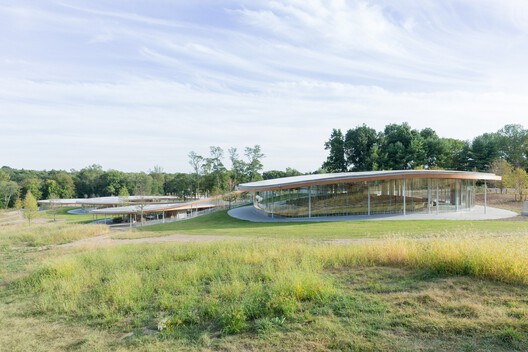
Glass, steel, and eventually high-performance composites became the instruments of an aesthetic movement that sought to shed the perceived burden of traditional masonry. The International Style, and later high-tech architecture, celebrated transparency and slenderness as markers of progress. Structural expressionism pushed further still, using tensile membranes, cable-stayed canopies, and thin-shell concrete to achieve forms that appeared to defy gravity.
This trajectory accelerated with advances in materials science. Aluminum alloys, carbon fiber reinforced polymers, ethylene tetrafluoroethylene (ETFE) — a fluorine-based plastic used as an alternative to glass in building envelopes — and ultra-high-performance concrete enabled spans and profiles that earlier generations of engineers could not have realized. Each material solved a structural problem. Each also introduced a new environmental one.
Embodied Energy and the Lightness Illusion
The concept of embodied energy — the total energy consumed across a material's lifecycle, from extraction through manufacturing to transportation — offers a useful lens. Aluminum, prized for its strength-to-weight ratio and corrosion resistance, requires substantial energy to smelt from bauxite ore. Carbon fiber composites, increasingly common in bespoke architectural elements, demand high-temperature processing and are difficult to recycle at end of life. Even glass, the defining material of modern transparency, carries a considerable energy cost in production, particularly when specified in the triple-glazed, coated, or curved configurations that contemporary design often demands.
The result is a category of buildings that perform lightness visually while embedding significant carbon in their material DNA. Operational energy — heating, cooling, lighting — has long dominated sustainability discourse in architecture, and meaningful progress has been made through insulation, passive design, and renewable energy integration. But as operational efficiency improves, embodied carbon's share of a building's total lifecycle emissions grows proportionally larger, making material selection an increasingly consequential decision.
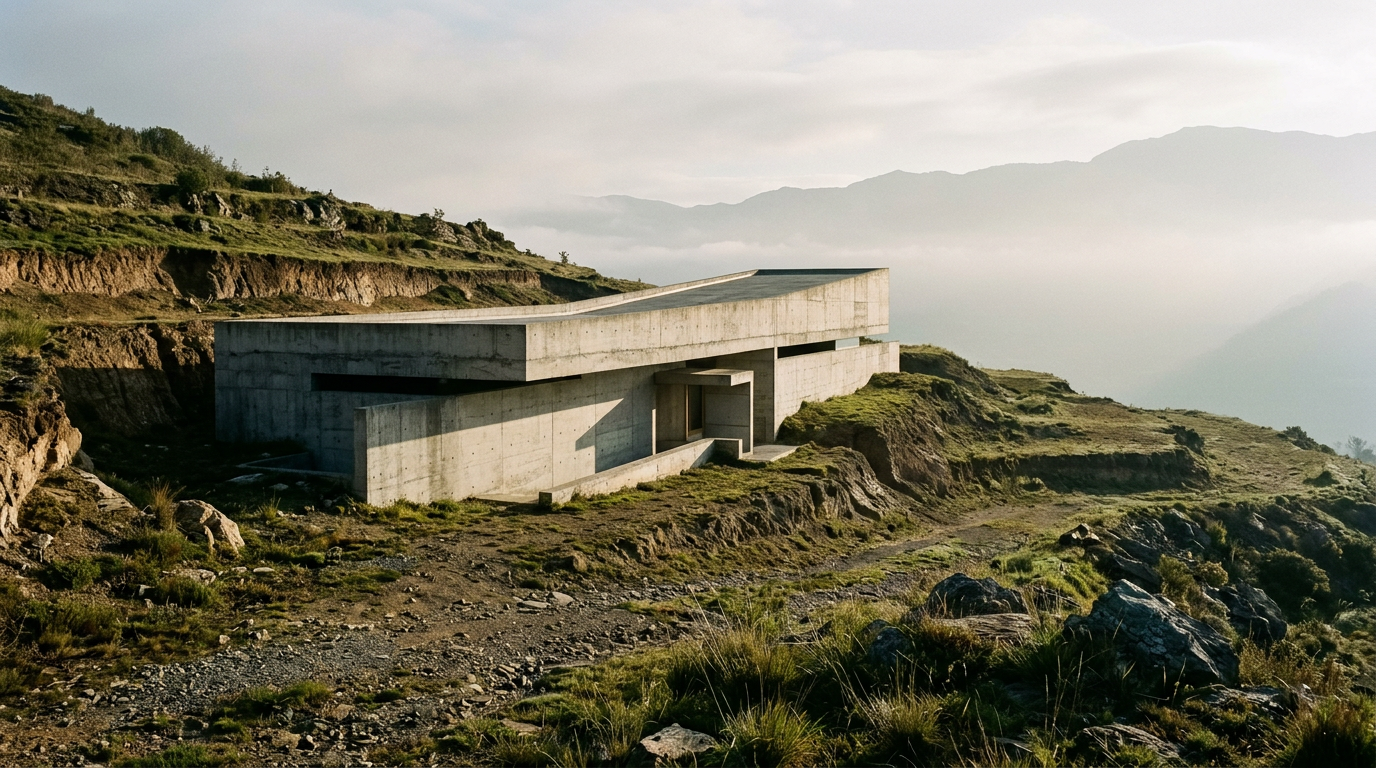
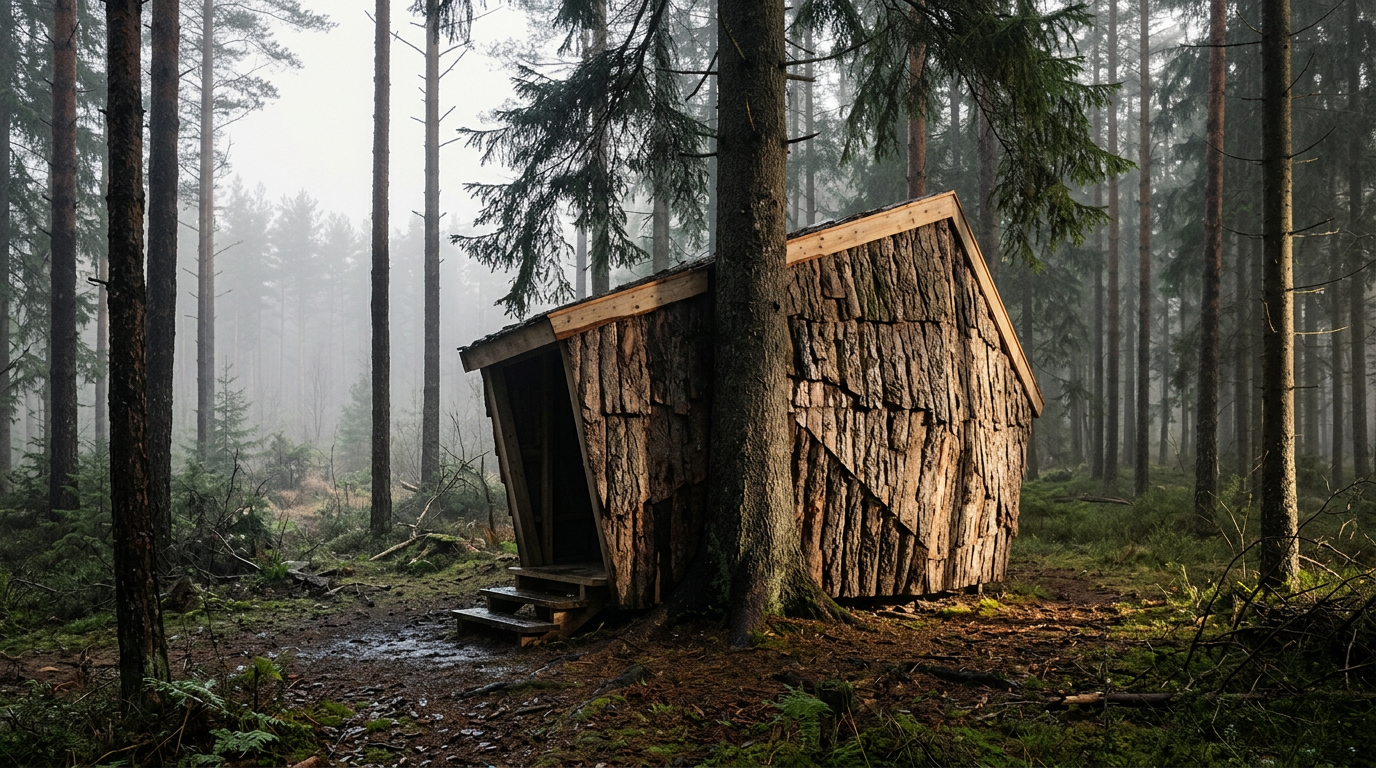
Traditional materials offer an instructive counterpoint. Timber, rammed earth, and stone carry lower embodied energy in many applications and, in the case of wood, can sequester carbon. Yet these materials impose formal constraints that run counter to the prevailing aesthetic of weightlessness. They tend toward opacity, thickness, and visible mass — qualities that much of contemporary practice has spent a century trying to escape.
The tension, then, is not merely technical but cultural. Architecture's environmental obligations and its aesthetic aspirations pull in opposing directions. A building that looks as light as air may leave the heaviest footprint on the planet, while one built from low-carbon materials may read as heavy, earthbound, conventional. Whether the next generation of designers can dissolve this opposition — through new materials, new geometries, or a fundamental revaluation of what lightness means — remains the discipline's open question.
With reporting from ArchDaily.
Source · ArchDaily